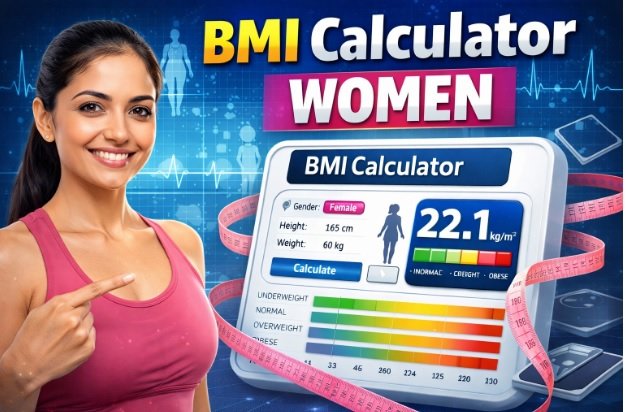
With fitness trends surging during the summer season, a spotlight has been placed on the importance of health and wellness for women. Among the myriad of tools available for tracking personal fitness goals, the BMI calculator women have become a popular choice. As women prioritize health and physical fitness in increasingly innovative ways, these calculators help bridge the gap between understanding one’s body composition and setting achievable fitness goals.
The Body Mass Index (BMI) calculator for women is a widely used tool that measures body weight in relation to height, providing insight into whether an individual falls within a healthy weight range. As health-conscious living takes center stage in summer fitness routines, many women are turning to this accessible and easy-to-use evaluator to determine how their own health aligns with societal benchmarks.
The Rise of BMI Calculator Women Tools
The BMI calculator women use is not a new concept in the fitness and healthcare industries, but its rise in popularity has been fueled by modern fitness trends. With an emphasis on body awareness and informed decision-making, particularly on social media platforms, these calculators are increasingly relied upon to provide a baseline understanding of physical health. Many fitness influencers and health enthusiasts frequently reference BMI calculations in their discussions of wellness, helping to normalize their use among women who are looking to adopt healthier habits.
One key reason the BMI calculator women prefer has become so popular this summer is its simplicity and ease of access. With just two inputs – height and weight – women can quickly determine their BMI. The results classify them into categories such as underweight, normal weight, overweight, or obese, based on the World Health Organization (WHO) standards. For many women, this straightforward metric helps kickstart their journeys toward improving their physical well-being.
Benefits and Limitations of BMI Calculators
While the BMI calculator women utilize provides a quick snapshot of health status, it comes with both advantages and limitations. First and foremost, these calculators offer a convenient and non-invasive starting point for women looking to monitor their health. They can be especially beneficial for individuals who are trying to determine whether their weight is within an ideal range as they pursue weight management goals.
However, it is important to remember that BMI calculations are not always definitive indicators of overall health. Many healthcare professionals and fitness experts continue to point out the limitations in considering only height and weight in such calculations. For example, the BMI calculator women often rely on does not account for individual differences in body composition, such as muscle mass, fat distribution, or bone density, which can lead to inaccurate categorizations. Women who are very muscular may be classified as overweight or obese when, in reality, they are in excellent physical health.
Moreover, underlying health conditions can affect BMI results. Women experiencing certain hormonal imbalances or health complications, such as polycystic ovary syndrome (PCOS) or thyroid issues, may carry weight differently than those without such conditions. A recent study emphasized how the BMI calculator women use might not always be an accurate indicator for some women, urging healthcare practitioners to consider other factors when examining health risks.
Complementing BMI with Basal Metabolic Weight Calculator
For a more nuanced understanding of health and fitness, many women are supplementing their use of the BMI calculator with other resources, such as the basal metabolic weight calculator. This tool examines the minimum number of calories a body needs to perform basic life-sustaining functions, such as breathing and circulation, at rest. Unlike BMI, which is primarily concerned with how body weight correlates to height, the basal metabolic weight calculator provides insight into an individual’s metabolism and energy consumption.
Women seeking to develop a well-rounded fitness routine this summer are discovering the value of combining these tools. By using both a BMI calculator women can trust and a basal metabolic weight calculator, they can gain insights into their weight categories, as well as create tailored diet and exercise plans based on their metabolic needs. For example, a woman with a higher-than-average BMI might also discover that her metabolic rate requires adjustments in calorie intake to optimize weight loss efforts or maintain a specific fitness level.
These dual calculators are particularly beneficial for fitness programming, as they allow individuals to make informed choices about their nutrition and exercise regimens. Women who are working toward specific fitness or weight-loss goals may find that pairing insights from a BMI calculator women resource with energy requirements calculated through the basal metabolic weight calculator helps them achieve better and more sustainable results.
The Connection Between Women’s Fitness Trends and BMI Usage
The increasing use of the BMI calculator women tools throughout the summer months coincides with the growing popularity of outdoor fitness regimes and wellness programs. Prevalent fitness trends often emphasize the importance of maintaining a healthy weight as part of an overall approach to physical and mental well-being. The summer season, with its abundance of fresh air and opportunities for outdoor activities, encourages many women to reassess their fitness goals and adopt new habits.
Social media and fitness influencers have played key roles in driving this trend. Many wellness advocates share success stories, workouts, and nutrition tips that often rely on the BMI calculator women results as a baseline number for setting achievable benchmarks. As a result, women across ages use these digital tools as a way to not only stay accountable but also stay on track with their fitness journeys.
Challenges to Overcome
As accessible as the BMI calculator women provide in today’s digital age, their limitations reinforce the need to adopt a multifaceted approach to health and fitness. Relying solely on BMI results to monitor physical health may lead to misconceptions or demotivation for some women. Body positivity movements within the fitness industry have highlighted the need for inclusive representation of all body types, advocating for a personalized approach to health metrics rather than universal benchmarks like BMI.
Professionals in both healthcare and fitness industries suggest that women dig deeper into other health factors besides just weight and height. For instance, monitoring cholesterol levels, blood pressure, and body composition alongside results from a BMI calculator women tool can provide a more complete picture of health. Coupled with a basal metabolic weight calculator, this information empowers women to make informed decisions about their wellness journeys.
Toward a Holistic Approach
While the BMI calculator women utilize remains a quick and accessible starting point for assessing health, it is best used in combination with other tools and practices. Women committed to long-term self-care are encouraged to take a broader, balanced approach to their health that goes beyond just numbers on a scale. Factors like emotional well-being, strength, endurance, and quality of life also play essential roles in defining true fitness.
Fitness trends this summer reflect a shift toward holistic wellness, where technology has enabled individuals to blend science with personalization. Women using both the BMI calculator women like and the basal metabolic weight calculator understand that health is not just about numbers, but also about designing a lifestyle that promotes physical, mental, and emotional well-being.
Moving Forward in the Era of Fitness Technology
The accessibility of tools like the BMI calculator women use signifies a broader trend in health and fitness: technology is transforming the way women understand their bodies and prioritize their wellness. As fitness continues to dominate cultural conversations, tools like the BMI and basal metabolic weight calculator will remain instrumental in making fitness more accessible to individuals around the world.
However, women are also beginning to look beyond strict numerical classifications, leveraging these tools as part of a larger movement toward body positivity and health awareness. Whether they are beginners or seasoned fitness enthusiasts, women are redefining healthy lifestyles in alignment with their unique goals and personal circumstances.
Amidst these evolving trends, one thing remains constant: understanding and caring for one’s body is a lifelong journey, and tools such as the BMI calculator women access are here to lend valuable support during that process. By embracing these resources while remaining mindful of their limitations, women can continue to thrive in their pursuit of health and happiness this summer and beyond.