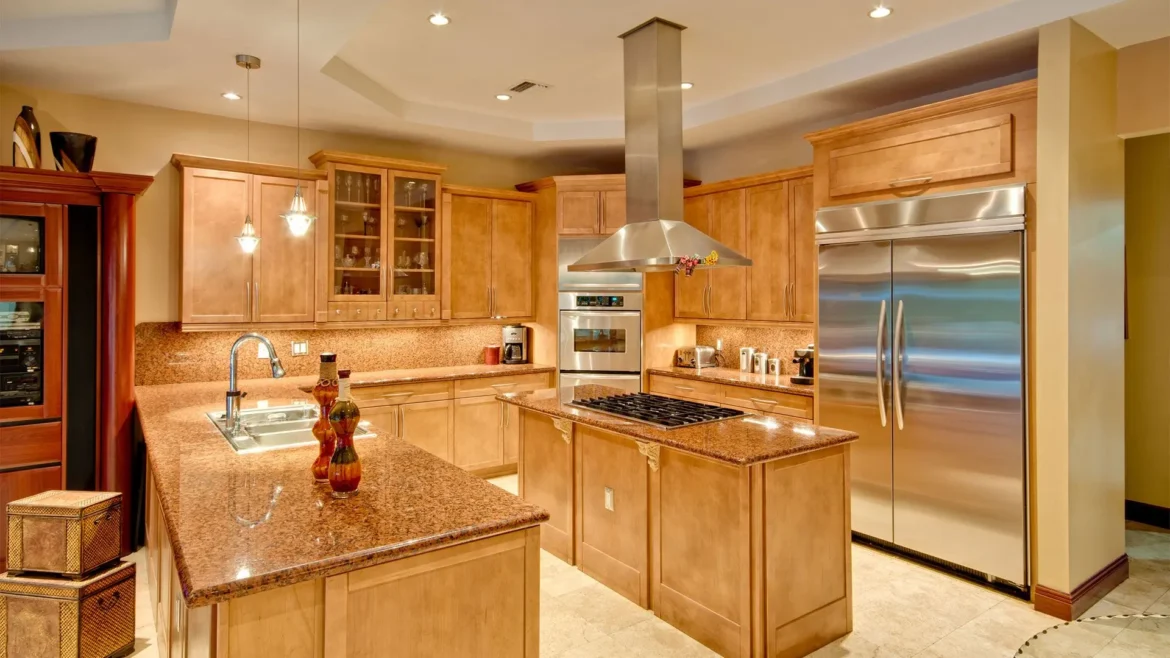
Updating your kitchen doesn’t always require a full remodel. Cabinet refacing can refresh your space, giving it a modern look without the expense of complete replacement. In simple terms: cabinet refacing saves money, reduces waste, and transforms your kitchen’s style. Knowing what affects costs helps you plan better and make informed decisions. This guide breaks down everything from pricing factors to practical tips so homeowners can achieve a beautiful, functional kitchen efficiently.
When homeowners start exploring Cabinet Refacing Costs, they quickly realize that the total expense depends on materials, labor, and the type of finish chosen, as well as any additional hardware or design updates.
What Is Cabinet Refacing?
Cabinet refacing is the process of updating existing cabinet surfaces rather than replacing the entire unit. It typically involves replacing doors and drawer fronts, applying new veneers, and sometimes updating hardware. This approach is cost-effective for kitchens where the underlying structure is still solid.
Benefits of cabinet refacing:
- Saves time compared to full remodels
- Lower cost than cabinet replacement
- Reduces construction waste
- Allows style and color updates
Key Factors Influencing Cabinet Refacing Costs
Several elements determine how much cabinet refacing will cost:
Material Choice
The type of material used for refacing significantly impacts cost. Options include:
- Wood Veneers: Provide a natural look and feel; moderately priced.
- Laminate: Budget-friendly and easy to clean; less durable than wood.
- Thermofoil: Offers a smooth, seamless finish; mid-range pricing.
Labor and Installation
Labor accounts for a large portion of refacing costs. Experienced professionals charge more but ensure precise installation and finish. Rates vary by location and complexity of the project.
Cabinet Size and Layout
The number of cabinets and overall kitchen size directly affects pricing. Larger kitchens or irregular layouts often require custom adjustments, increasing costs.
Hardware Updates
New handles, knobs, and hinges improve functionality and aesthetics but add to the budget. High-quality hardware may cost more upfront but improves long-term usability.
Additional Design Features
Extras like glass doors, crown molding, or lighting integration can enhance the appearance but also increase the cost of refacing.
Typical Cabinet Refacing Costs
While prices vary, homeowners can expect general ranges based on kitchen size and materials:
- Small kitchens (10–15 cabinets): $3,000–$5,500
- Medium kitchens (15–25 cabinets): $5,500–$8,500
- Large kitchens (25+ cabinets): $8,500–$12,000+
Cost per cabinet: On average, refacing a single cabinet can range from $200 to $600, depending on materials and labor.
Comparing Cabinet Refacing vs. Replacement
Cabinet refacing offers several advantages over replacement:
| Aspect | Cabinet Refacing | Full Replacement |
|---|---|---|
| Cost | 50–70% less | Higher upfront cost |
| Time | 2–5 days | 1–2 weeks or more |
| Waste | Minimal | High (old cabinets disposed) |
| Customization | Limited | Full design flexibility |
| Durability | Depends on existing cabinet | New cabinets last longer |
Refacing works best when cabinet boxes are still in good condition. If cabinets are damaged, warped, or outdated structurally, replacement may be necessary.
Tips to Reduce Cabinet Refacing Costs
- Keep existing layout: Avoid moving plumbing or electrical elements.
- Choose materials wisely: Laminate and veneer are more affordable than solid wood.
- Update hardware selectively: Only replace handles or hinges that show wear.
- DIY prep work: Removing cabinet doors or prepping surfaces yourself can lower labor costs.
- Request multiple quotes: Compare prices from different contractors to find the best value.
How Long Does Cabinet Refacing Take?
A typical cabinet refacing project takes 2–5 days depending on kitchen size and complexity. Refacing is faster than full replacement because the structural cabinets remain in place.
Step-by-step process:
- Remove existing doors and hardware
- Repair or clean cabinet boxes
- Apply veneer, laminate, or thermofoil
- Install new doors, drawers, and hardware
- Add finishing touches like molding or trim
Voice Search-Friendly FAQ on Cabinet Refacing Costs
Q: How much does cabinet refacing cost on average?
A: Small kitchens typically range from $3,000–$5,500, while larger kitchens may exceed $8,500.
Q: Is cabinet refacing cheaper than replacement?
A: Yes, refacing costs roughly 50–70% less than full cabinet replacement.
Q: How long does refacing take?
A: Most projects are completed in 2–5 days depending on kitchen size.
Q: What materials are used for refacing?
A: Common options include wood veneers, laminate, and thermofoil finishes.
Q: Can I refinish old cabinets myself?
A: Yes, minor projects like painting or replacing hardware can be DIY, but professional refacing ensures quality.
Final Thoughts
Cabinet refacing is a practical solution for homeowners looking to upgrade their kitchen without the expense and disruption of a full remodel. Costs vary depending on materials, labor, and project complexity, but with careful planning, it’s possible to achieve a modern, stylish kitchen efficiently. By understanding pricing factors, material options, and professional tips, you can make informed decisions that save money while enhancing your home’s aesthetics and functionality.