ISO 8 cleanrooms are controlled environments designed to maintain moderate levels of airborne particles, providing a balance between contamination control and operational flexibility. These cleanrooms are commonly used in industries such as pharmaceuticals, medical devices, electronics, food production, and cosmetics. While less stringent than ISO 5 or ISO 6 cleanrooms, ISO 8 facilities still require careful selection of construction materials to meet cleanliness standards, maintain durability, and support regulatory compliance.
Understanding the proper construction materials is crucial for achieving compliance and ensuring efficient operation. Adhering to ISO 8 Clean Room Requirements involves selecting materials that are non-porous, smooth, and resistant to microbial growth, chemical exposure, and physical wear. Choosing the right materials not only helps maintain particle control but also reduces maintenance costs, extends the lifespan of the cleanroom, and supports safe manufacturing operations.
Walls, Ceilings, and Floors
The walls, ceilings, and floors of an ISO 8 cleanroom must be constructed from materials that minimize particle shedding and are easy to clean. Common options include epoxy-coated walls, powder-coated aluminum panels, or high-pressure laminate surfaces. These materials are non-porous, resistant to microbial growth, and can withstand repeated cleaning and disinfection without degradation.
Ceilings should be smooth and non-shedding, with integrated panels to support airflow and lighting. Raised floors are often used to facilitate air distribution and allow utility routing. Flooring materials such as seamless vinyl or epoxy-coated concrete provide durability, chemical resistance, and ease of cleaning, ensuring compliance with particle count limits.
Doors and Access Points
Doors and access points in an ISO 8 cleanroom are critical for controlling contamination. They must be smooth, flush-mounted, and equipped with seals to prevent air leakage. Materials such as stainless steel, powder-coated aluminum, or high-quality plastics are commonly used. Automatic or controlled doors can help maintain positive pressure differentials and reduce particle ingress from adjacent areas.
Pass-through chambers and airlocks are often incorporated into the design to facilitate the transfer of materials while minimizing contamination risk. These structures should be made from the same compliant materials as walls and doors, ensuring uniform particle control throughout the cleanroom.
Furniture and Fixtures
All furniture and fixtures within an ISO 8 cleanroom must be non-shedding, non-porous, and compatible with cleaning agents. Stainless steel, powder-coated metal, and specialized plastics are widely used for workstations, shelving, carts, and storage units. Rounded edges and smooth surfaces prevent particle accumulation and make cleaning more effective.
Seating and other accessories should also comply with cleanroom standards. Materials that release fibers or degrade under disinfectants should be avoided. Modular furniture designs can improve flexibility and facilitate maintenance or reconfiguration of the cleanroom layout.
HVAC and Utility Components
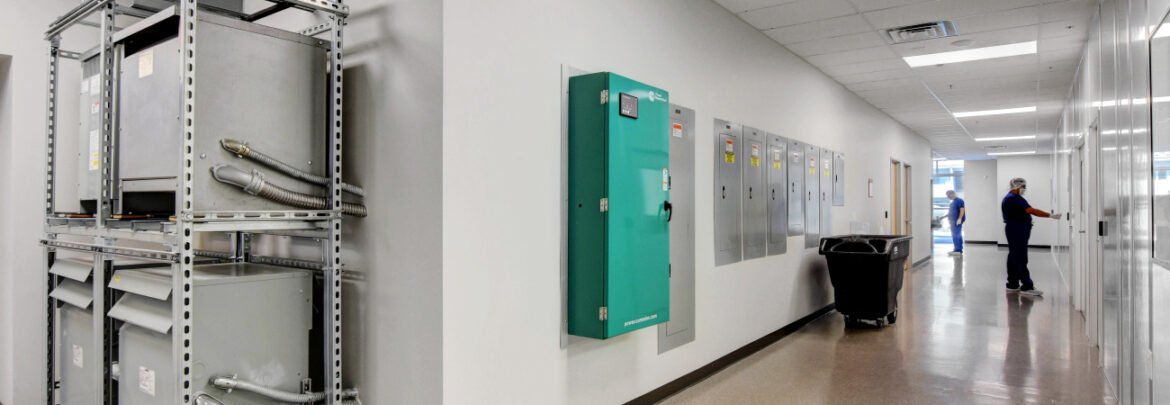
The HVAC system and utility infrastructure play a significant role in maintaining ISO 8 cleanroom standards. Air ducts, diffusers, and grilles should be constructed from smooth, corrosion-resistant materials such as stainless steel or coated aluminum. HEPA filter housings must be airtight and made from durable materials to prevent leaks and maintain consistent airflow.
Piping for compressed air, water, and other utilities should be corrosion-resistant and designed to minimize particle generation. Smooth-walled stainless steel or coated piping is preferred. Proper installation and sealing of all utility components are critical to prevent contamination and ensure compliance with ISO standards.
Lighting and Electrical Materials
Lighting fixtures must be sealed, smooth, and flush-mounted to avoid particle accumulation and facilitate cleaning. LED fixtures are often preferred due to their low heat output, energy efficiency, and long lifespan. Electrical conduits and outlets should be enclosed or mounted in ways that prevent dust buildup and allow easy cleaning.
All materials used for electrical installations must be compatible with cleaning agents and resistant to corrosion. Ensuring that these components meet cleanroom standards helps maintain environmental integrity and reduces maintenance challenges.
Cleaning and Maintenance Considerations
Materials selected for ISO 8 cleanroom construction should support effective cleaning and maintenance. Non-porous, smooth surfaces reduce microbial growth and particle accumulation, while durable materials withstand frequent cleaning with disinfectants. Proper material selection also ensures long-term operational efficiency, minimizing the need for replacement or repair.
Documentation of material specifications and compliance with ISO 14644-1 standards is essential for regulatory purposes. This documentation supports validation, audits, and ongoing quality management.
Conclusion
ISO 8 cleanroom construction materials play a critical role in maintaining a controlled environment, meeting regulatory requirements, and ensuring operational efficiency. Walls, ceilings, floors, doors, furniture, HVAC components, and utilities must be non-porous, smooth, durable, and compatible with cleaning agents. Adhering to ISO 8 Clean Room Requirements ensures proper particle control, minimizes contamination risks, and supports the longevity of the cleanroom. By selecting appropriate materials, organizations can create a compliant and efficient ISO 8 cleanroom that supports high-quality manufacturing across multiple industries.