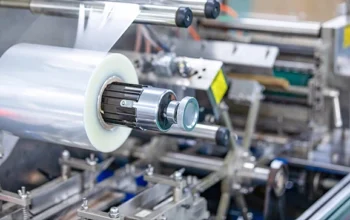
The laundry pod market has experienced rapid growth in recent years due to consumer demand for convenience, precise dosing, and eco-friendly solutions. To keep up with this demand, manufacturers are increasingly turning to automation in their production processes. Automating laundry pods manufacturing not only enhances efficiency but also ensures consistent product quality, reduces labor costs, and minimizes waste. By investing in modern machinery, businesses can meet growing market needs while maintaining operational reliability.
Increased Efficiency and Production Speed
Automation significantly improves the efficiency of laundry pods production. Traditional manual processes are time-consuming and prone to errors, limiting output and creating bottlenecks. In contrast, automated systems handle multiple operations simultaneously, including film feeding, detergent dosing, pod sealing, and cutting.
A high-performance Laundry Pods Manufacturing Machine integrates programmable logic controllers (PLC) and human-machine interfaces (HMI) to monitor every stage of production in real time. Automated dosing systems ensure precise measurement of liquids, gels, or powders, while sealing and cutting mechanisms operate at high speed without compromising quality. This streamlined workflow enables manufacturers to produce thousands of pods per hour, meeting increasing consumer demand efficiently.
Consistent Product Quality
One of the most significant benefits of automation is the ability to maintain consistent product quality. Variations in pod weight, sealing, or size can lead to performance issues, customer dissatisfaction, and increased returns. Automated machines use precise dosing systems and integrated sensors to monitor pod formation continuously.
Consistency is achieved through precise control of film tension, alignment, and sealing temperature. Sensors detect irregularities, and the system automatically adjusts parameters to correct any deviations. As a result, each pod maintains the correct amount of detergent, strong seals, and uniform size. Consistent quality not only strengthens brand reputation but also reduces the likelihood of defects and material waste.
Reduction of Labor Costs and Human Error
Manual production of laundry pods requires a considerable workforce for tasks such as dosing, sealing, cutting, and inspection. This approach is labor-intensive and prone to human error, which can lead to inconsistent pod quality, increased waste, and slower production.
Automating these processes reduces the need for extensive manual labor. Operators can focus on monitoring machine performance, performing maintenance, and managing packaging operations rather than performing repetitive tasks. Reducing human intervention minimizes errors such as overfilling or misaligned film, leading to more reliable production outcomes and lower labor costs.
Enhanced Safety and Hygiene
Automation also improves safety and hygiene in laundry pod manufacturing. Handling detergents, chemicals, and water-soluble films manually can expose operators to potential hazards, including spills, skin irritation, or inhalation of fine powders. Automated machines limit direct human contact with these materials, reducing workplace risks.
Additionally, automated systems ensure that production areas remain clean and organized. Integrated cleaning and maintenance protocols, along with controlled material handling, help prevent contamination and maintain hygiene standards. This is particularly important for maintaining product safety and compliance with industry regulations.
Flexibility and Scalability
Modern automated laundry pods manufacturing machines offer significant flexibility. They can produce pods of different shapes, sizes, and formulations, including multi-chamber pods that combine detergent, fabric softener, and fragrances. This adaptability allows manufacturers to respond quickly to market trends and offer diverse product lines without major retooling.
Scalability is another key advantage. Automated systems can easily handle increased production volumes, making it possible to expand operations without significant downtime or capital investment. Manufacturers can integrate additional modules or adjust machine settings to increase output, ensuring that production keeps pace with growing demand.
Waste Reduction and Cost Savings
Automation minimizes material waste by ensuring accurate dosing and precise pod formation. Inconsistent pod weights, poor sealing, or misaligned films often result in defective pods that must be discarded. Automated machines detect these issues in real time, allowing for immediate corrective action and reducing the number of unusable pods.
By optimizing raw material usage and reducing defects, manufacturers achieve significant cost savings. Fewer rejected pods, lower labor costs, and higher production efficiency contribute to improved profitability and a faster return on investment.
Conclusion
Automating laundry pods manufacturing offers numerous benefits, including increased efficiency, consistent product quality, reduced labor costs, enhanced safety, flexibility, scalability, and waste reduction. Modern Laundry Pods Manufacturing Machines are designed to handle diverse formulations, multi-chamber pods, and high-speed production, making them indispensable for competitive manufacturers.
Investing in automation allows businesses to streamline operations, maintain consistent quality, respond quickly to market demands, and achieve long-term operational savings. As the demand for laundry pods continues to rise, automated production will remain a key factor in sustaining growth, efficiency, and profitability in the laundry care industry.