Proper filtration in vehicles is a critical aspect of automotive maintenance that directly affects engine performance, fuel efficiency, and overall vehicle longevity. Filters play an essential role in preventing contaminants such as dust, dirt, metal particles, and harmful chemicals from entering key systems, including the engine, fuel lines, and cabin air supply. Without effective filtration, these impurities can cause accelerated wear, reduced efficiency, and even severe mechanical failures. Understanding the importance of proper filtration helps vehicle owners and automotive professionals ensure optimal vehicle operation and safety.
Filters in vehicles are designed to protect various systems, including the engine, transmission, fuel, and cabin. Each system has unique filtration requirements, and selecting the correct filter type is vital for maintaining performance. A reliable Car Filter Supplier provides high-quality filters that meet or exceed manufacturer specifications, ensuring consistent protection and extended service life. By offering products tailored to different vehicle makes and models, suppliers help reduce the risk of engine damage and improve overall vehicle reliability.
Engine Protection and Performance
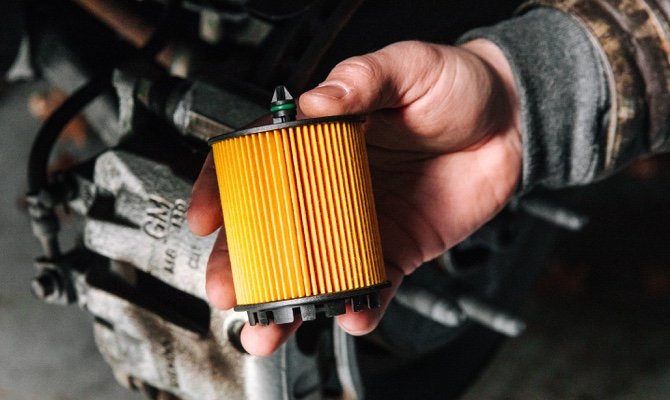
The engine is one of the most critical components in any vehicle, and proper filtration is essential to protect it from wear and damage. Air filters, oil filters, and fuel filters each serve a specific purpose in maintaining engine health. Air filters prevent dust, dirt, and debris from entering the combustion chamber, ensuring a clean air-fuel mixture for efficient combustion. Oil filters remove contaminants such as metal shavings, soot, and sludge from engine oil, preventing premature wear on moving parts. Fuel filters eliminate impurities in gasoline or diesel fuel, protecting injectors and carburetors from clogs and corrosion.
Neglecting proper filtration can lead to decreased engine efficiency, higher fuel consumption, and increased emissions. In severe cases, it can result in costly repairs or engine replacement. Regular maintenance and the use of high-quality filters ensure that the engine operates smoothly and maintains optimal performance over time.
Fuel Efficiency and Emission Control
Proper filtration also plays a significant role in fuel efficiency and emissions control. Contaminants in air, fuel, or oil can disrupt combustion, causing engines to work harder and consume more fuel. Clean air and fuel filters help maintain the correct air-fuel ratio, allowing the engine to perform efficiently and produce fewer harmful emissions. Oil filtration prevents excessive friction and heat buildup, further improving energy efficiency and reducing wear on critical components.
As environmental regulations become stricter, the role of filtration in reducing vehicle emissions has become increasingly important. Using high-quality filters not only benefits the engine but also contributes to cleaner air and a reduced environmental footprint. Vehicle owners who prioritize proper filtration can achieve improved fuel economy and compliance with emission standards.
Cabin Air Quality and Passenger Comfort
In addition to protecting mechanical systems, proper filtration ensures clean air inside the vehicle cabin. Cabin air filters remove dust, pollen, smoke, exhaust fumes, and other pollutants before they enter the passenger compartment. This is particularly important for individuals with allergies, respiratory conditions, or sensitivities to airborne particles.
Modern cabin filters may include activated carbon layers that absorb odors and chemical pollutants, enhancing interior air quality. Regular replacement of cabin filters ensures a healthier and more comfortable environment for passengers, improving overall driving experience and well-being.
Longevity of Vehicle Components
Proper filtration extends the lifespan of other critical vehicle components beyond the engine. Transmission filters, hydraulic filters, and fuel system filters protect their respective systems from contaminants that could lead to premature wear or failure. Clean fluid systems reduce the risk of overheating, corrosion, and mechanical breakdown, ultimately lowering maintenance costs and improving vehicle reliability.
Reusing or neglecting filters can result in system damage and increased downtime, highlighting the importance of consistent maintenance and timely replacement. Vehicle owners who adhere to recommended filter replacement schedules ensure the long-term performance and durability of their vehicles.
Choosing the Right Filters
Selecting the right filter is just as important as maintaining it. OEM filters are specifically designed to meet the specifications of a vehicle’s systems, while high-quality aftermarket filters can also provide comparable performance. Working with a trusted supplier ensures that filters meet the required standards for efficiency, material quality, and durability.
A reputable car filter supplier offers guidance on the appropriate filters for different vehicles and driving conditions, helping vehicle owners make informed decisions. This support ensures that filters provide maximum protection and maintain optimal vehicle performance throughout their service life.
Conclusion
Proper filtration is fundamental to vehicle performance, fuel efficiency, emissions control, and passenger comfort. Filters protect the engine, fuel system, transmission, and cabin from harmful contaminants, preventing damage and extending component lifespan. Regular maintenance, timely replacement, and the use of high-quality filters from a reliable Car Filter Supplier ensure that vehicles operate safely, efficiently, and reliably. By understanding the importance of proper filtration, vehicle owners can maintain optimal performance, reduce maintenance costs, and contribute to a cleaner, healthier environment.